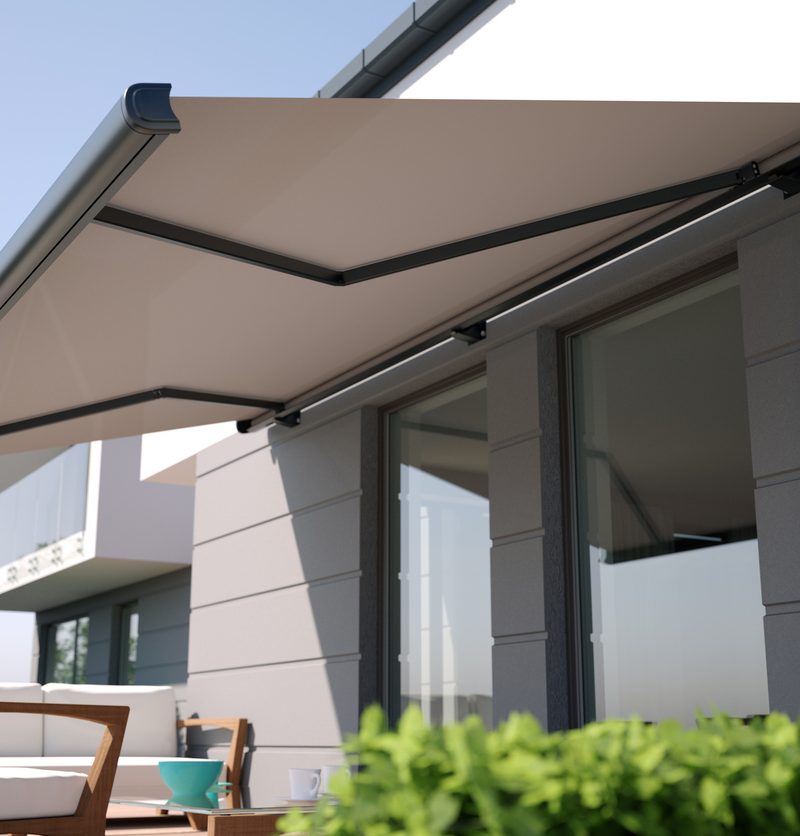
You are in a showroom where you are looking at a pergola with retractable roof. The salesperson offers to know whether you would like manual or electric operation of the retractable roof. You have three seconds to make up your mind before they start a fifteen-minute discussion of motor specifications that you are not interested in.
Most people go electric. Sounds modern. Convenient. At the touch of a button, the roof slides away in a Bond movie. Then in 6 months they are searching the Internet at midnight, retractable roof motor replacement cost, because it is not working and they want it open in order to have a barbecue the next day.
The patterns of regret are divided fairly. The electric buyers are complaining of the continued maintenance and repair expenses. Manual consumers regretting the physical effort will find themselves regretting it each and every time they use it, which proves to be more irritating than they even imagined it would be when they were saving that first £1,500.
The Physical Reality of Manual Action?
The initial few times of cranking open a manual retractable roof is not so bad. You spin the handle, the cloth unwinds, and it only takes you 30 seconds of continuous winding and that is it. is very gratifying in an old-fashioned mechanical fashion.
Repeat this every day in a month and the novelty will be gone. In the middle of the way your arm tyres. The handle will sometimes snatch and you need to turn it round a little proceeding and this distorts your rhythm and the entire process is consuming more time than necessary. It then begins to rain and you are out there madly cranking the roof closed and getting wet since it does not matter how much you are in a hurry to get out of that car.
The actual problem arises when you are not sharing it with only one person. It is a clumsiness in winding with yours. The children are not powerful enough to run it in a smooth manner and thus it is your responsibility even though they all agreed that this was a family area. Elderly relatives visiting? They are certainly not driving a manual roof and that is why you are jumping up out of lunch to adjust it when the sun shifts or even when they are about to be rained on.
There are also physical limitations that vary with time. Your tennis shoulder you got the night before feels like it is on fire when you go to crank the roof. You find yourself leaving it in the same position days without opening or closing it as it is now something you shun and not a simple activity you can hardly think about.
What actually breaks on electrical systems?
Electric motors to move the roof that can be closed appear to be impervious. Press the button, hear that satisfying hum, see the roof slide into place. Technology doing precisely as it claims.
Then things may start to go a little differently. The motor gives another sort of noise, that of a grinding, which was not present before. The roof is no longer as speedy as it was before and it now takes twice the time to completely close. On this day you hit the button and nothing at all, just quietness and a roof half open at a dinner party.
Motors can fail, not at once, but generally three to five years of regular use in the course of which the warranty conveniently lapses. The cost to replace is between 300 and 600 dollars depending on the system, and installation is required in case you are not comfortable working with electricity-related elements attached to your pergola. There are systems that take proprietary motors and can only be supplied by the original manufacturer, which places them at their mercy in terms of pricing.
The sensors are problematic in themselves. Automatic rain sensors to close the roof as soon as it starts raining are genius until it becomes dirty or uncalibrated. One day your roof is closing down, or it was left open in a real downpour because a bird passed or it was left open because the sensor believes that all is well. The same is done by wind sensors which close your roof on a clear day or leave it open when the right kind of gusts hit and the safety mechanism should have kicked off.
The control systems malfunction here and there. Your remote is broken due to the battery failure and replacing it with a new one is much harder than it sounds. The switch mounted on the wall evolves a temperamental relationship which only operates when you press it on the right angle. The smart home integration that appeared to be critical in the process of installation ceases to respond to your requests after a system update you did not request and cannot undo.
The Cost Difference
The electric retractable roof systems are more expensive by approximately £1200-2500 than the manual ones of the same pergola size. It is only the first purchase. You are paying to have motors, sensors, wiring, control systems and installation of all those electrical items that must be weatherproofed.
Heroic expenses creep on. Replacement of motors after every five to seven years. Recalibration or replacement of sensor when it ceases to work. The upgrade of the control system is when the technology advances and your five-year-old remote will not support whatever new standard everyone is using. Service calls when everything goes wrong and you do not know why because you are not good at electrical troubleshooting.
The manual systems are nearly free to maintain. The crank handle may require a replacement in case of breaking, which is not common and may cost around £30. The gearing may become exhausted after ten years of hard work, but that is all. No motors to replace. No sensors to fail. None of the electric parts that are gradually wearing down in the external environment even though they are supposed to be weatherproof.
When Electric Makes Sense?
Massive pergolas with heavy roofing require the use of electricity to operate in real sense. The physical work that will be needed to open a 6-metre roof is truly a challenge, the exercise that you do not need to do each time the weather changes. Electric motors can be easily used to control the weight without the development of forearms like a tennis player.
Health conditions or physical restrictions require use of electricity which is necessary and not a luxury. Arthritis, back, less strength due to age or injury, all this makes the process of cranking by hand not only more than annoying, but quite impossible. The additional cost of using electricity will enable you to make use of your external space on your own rather than have to use another person to open and close the roof.
The commonality of use daily warrants the electric motors simply by the mere accumulation of convenience. Closing and opening your roof four or five times a day, because you keep changing the position of the sun or weather changes? Electric usage saves you perhaps 15 minutes of hand cranking per day. More than a year of actual time saved is enough to justify the additional cost and maintenance hassles to some individuals.
The integration of smart homes is attractive to some personalities over others. When you have already automated your lights, heating, blinds and security system, it is natural to add the pergola roof to that ecosystem. You make scenes where the evening mode can be activated to shut the roof, turn the lights off and activate the outdoor heaters at a command. To individuals who have a passion to automate their homes, anything that operates electrically is a must no matter the issue of cost and reliability.
The Reality After Two Years
The owners of the manual system form habits in order to reduce the level of annoyance. They also get to know the best time to open or close the roof that lower the frequency of using the crank. It is part of the morning routine to open it (when the weather is nice), evening routine is to close it before it gets dark. The roof remains in any given position longer, and the cranking load per day becomes manageable though not optimal.
There are others who do not actually mind the manual operation. It is meditative to them, a little physical activity that makes them get out and exercise. They find the simplicity of the mechanisms attractive and understand that there is nothing difficult to assemble or that it cannot be repaired without technical skills. In the case of this group of buyers, the manual operation will never be regretted.